
News & Commentary

Latest Publication
Citizenship Rights Restoration in Tennessee
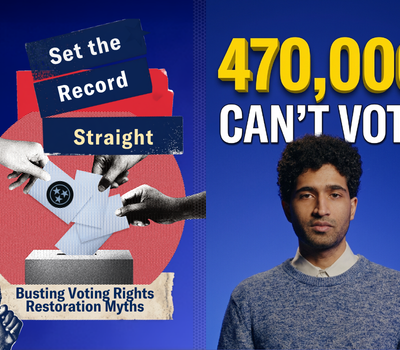
Restoring your voting rights in Tennessee got easier in 2026. State Sen. Raumesh Akbari and State Rep. Karen Camper led the charge in the legislature to remove some of the biggest barriers standing between formerly incarcerated Tennesseans and the ballot box.
The Campaign Legal Center and Free Hearts, a Tennessee nonprofit led by formerly incarcerated women, have been on the ground helping people navigate this process and pushing for a fairer system. For eligibility requirements and step-by-step petition instructions, read the guide from Free Hearts and the Campaign Legal Center.

ICE is Trying to Deport My Husband While I Treat COVID Patients
By aclutn

At the Polls, Episode 5: Why is Voting so Inaccessible to People with Disabilities?
By aclutn
What You Need to Know About Orleans Parish District Attorney Candidates
By aclutn
Let People Vote: Our Fight for Your Right to Vote During 2020
By aclutn
Wisconsin: Vote Early, Vote Today
By aclutn
The Race for Arizona State House District 20
By aclutn
The Race for Arizona State House District 23
By aclutn
The Supreme Court to Decide Whether Chicago Can Keep Cars Locked Up When Debtors File for Bankruptcy
By aclutn
The Right to Abortion is on the Ballot in Colorado This November
By aclutn
Stay Informed
Sign up to be the first to hear about how to take action.
By completing this form, I agree to receive occasional emails per the terms of the ACLU’s privacy statement.
By completing this form, I agree to receive occasional emails per the terms of the ACLU’s privacy statement.